


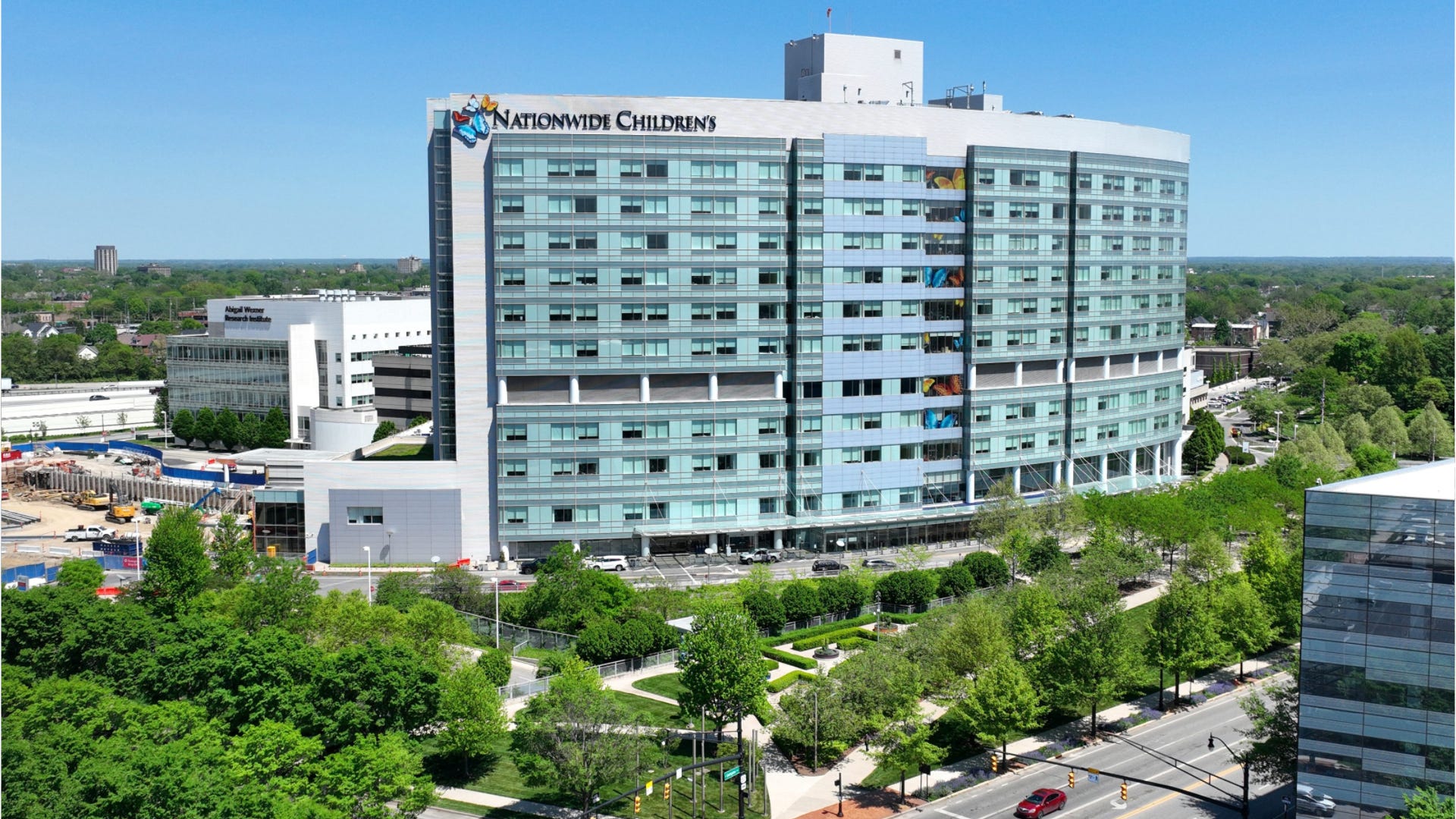


Nationwide Children’s expansion in Columbus: Tower construction update
Nationwide Children’s Hospital is building a new tower next to its existing one in Columbus. Here’s what you should know about the project.
- School-based health centers provide primary and specialty care to students on campus.
- These centers help reduce chronic absenteeism by addressing health issues that interfere with learning.
- Nationwide Children’s Hospital has seen significant reductions in emergency visits and wait times for mental health services.
Mary Kay Irwin, senior director of School Health Services at Nationwide Children’s Hospital and adjunct faculty at Ohio State University, is a nationally recognized thought leader in school health.
Students often face health issues that interfere with learning — making it essential to provide support where they spend most of their time: in school.
Unaddressed health conditions fuel chronic absenteeism, impacting one in four Ohio students.
School-based health centers are helping to change that. Located on campus, they offer primary and specialty care — just like a doctor’s office — steps from the classroom.
With school nurses as vital partners, these centers give students easy, familiar access to care. The result is healthier kids who stay focused and in class.
We strive to reduce burdens on families
I began my career as an educator and saw firsthand how learning is impossible when a child struggles with a medical-related condition. It can affect an entire classroom.
Now, I direct school health services at Nationwide Children’s.
The services provided range from primary care to chronic disease management, to complete dental, with X-rays and fillings, and vision care, including fittings for glasses, and mental health services.
In 2024, 42% of patients seen at one of our school-based health centers did not have a medical home, and many more had not seen their provider in years or missed follow-up care.
It can be hard for a family to make medical appointments, let alone follow-ups.
We do everything we can to eliminate barriers and reduce the burden on families. We’ve called to get their consent and invited them to the appointment or to join by video call if they can’t be there. If those aren’t options, we’ll call after work to let them know how it all went.
The impacts have been transformational.
- Our school-based mental health services have reduced wait times to see a psychiatrist by four months.
- Diabetes-related emergency visits declined by 39%, and urgent care visits declined by over 80%.
- In our asthma therapy program, we’ve seen a reduction in urgent care, emergency visits and inpatient stays; we watch kids who previously couldn’t get through recess without using an inhaler fully enjoying gym.
- Every student who visits one of our centers saves an average of three hours of class time – and we have completed nearly 120,000 visits.
We’ve expanded into Appalachian Ohio and across the state
Since our work began a decade ago, we’ve grown to accommodate 16 specialties across 20 school-based health centers, two mobile care centers, a roving vaccine clinic and a transportation service. We’ve helped 58,000 unique patients – nearly 76% served by Medicaid or uninsured.
In 2024, Gov. Mike DeWine announced the largest school-based health grant in Ohio’s history, the $64 million Appalachian Children’s Health Initiative, an effort expected to reach more than 60,000 additional students across 20 counties in Appalachian Ohio.
We’re helping drive that initiative, expanding into new communities and building upon our technical assistance and consultation services, which have already reached 62 schools and 26 partners in 38 counties.
In 2025, alongside our partners at the Joe Burrow Foundation, we expanded our training and consulting program through the Burrow Blueprint: Advancing Primary Care Mental Health in Schools.
This initiative will start with 20 Appalachian Ohio school districts and several schools in Baton Rouge, Louisiana, empowering school-based primary care providers to help address mental health needs.
Such efforts are changing access for underserved populations in a way that I’ve never seen before.
As Nationwide Children’s celebrates 10 years of providing school-based health, we are looking ahead to the next decade — partnering across Ohio to connect families with lasting care and ensure every child can learn and thrive.
Mary Kay Irwin, Senior Director of School Health Services at Nationwide Children’s Hospital and adjunct faculty at The Ohio State University, is a nationally recognized thought leader in school health. She has led statewide and national initiatives that have helped shape best practices and foster cross-sector collaboration across Ohio.
link